For many Filipino teens, conversations about sex, HIV, and reproductive health remain shrouded in silence. Instead of guidance, they are met with raised eyebrows, hushed voices, and the unspoken message that such topics are shameful. In this silence, misinformation thrives, leaving countless young people vulnerable. A simple question about contraception or HIV testing can brand a teenager as “immoral,” forcing them into secrecy rather than giving them the knowledge that could protect their lives.
The consequences of this silence are painfully real. In communities across the country especially in urban areas, girls as young as 10 to 14 find themselves facing motherhood before they even finish childhood. Their dreams of completing school and building a future are cut short by responsibilities far beyond their years. Young men, on the other hand, wrestle with the invisible weight of fear, wanting to know if they are safe from HIV but too terrified of judgment to seek testing or medical help. In this cycle, stigma does not just endanger health but it also steals dignity, silence voices, and limits future security.

What deepens this struggle is the way Filipino culture often frames sex and education about it. Rooted in religious conservatism and traditional values, sex is treated as a forbidden subject, something indecent to be spoken of, especially with the youth. Parents and communities often don’t speak about it, convinced that kids with that age must not indulge in learning safe sex as it will only deepen their curiosity regarding that matter, often dehumanizing the meaning of sex education. But in truth, it strips away the right of young people to protect themselves, replacing empowerment with fear and replacing facts with myths. The cost of this cultural taboo is measured in rising teenage pregnancies, untreated infections, and the quiet suffering of a generation left in the dark.
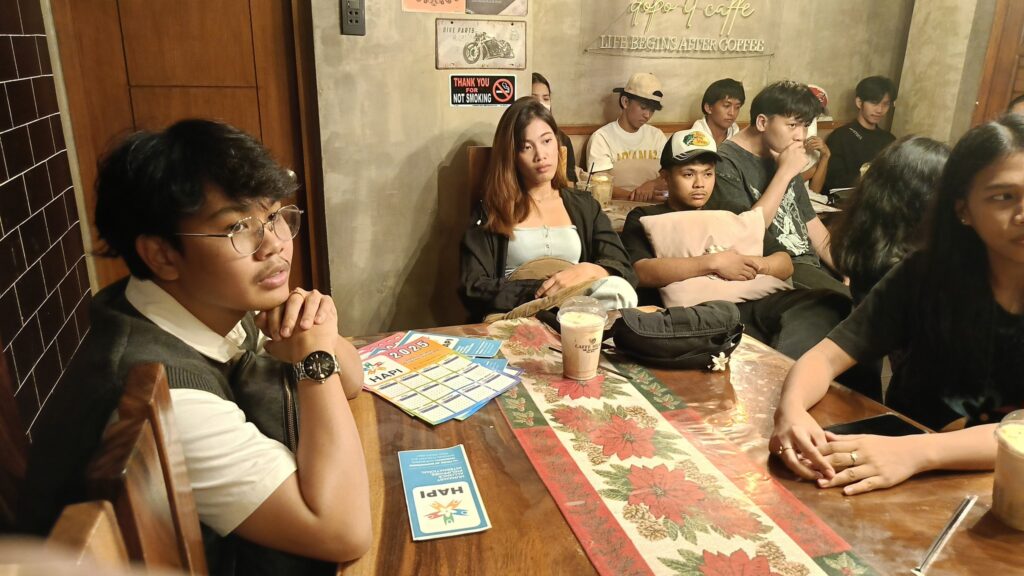
It is against this backdrop of silence and stigma that the call for open dialogue becomes impossible to ignore. For too long, young Filipinos have been left to navigate questions of love, sex, and health in the shadows, with only fear and hearsay to guide them. What they deserve instead are safe spaces, places where judgment has no place and where truth can finally take the place of silence. With this urgent need in mind, HAPI-Alabang, supported by Humanists International’s Café Humaniste grant, organized “Mag-isip Bago Mag-Unzip” last September 14 at Ilaya, Alabang, Muntinlupa City. The event stood as a step toward breaking barriers, empowering young people with knowledge, and reminding them that dignity and informed choice are rights, not privileges.
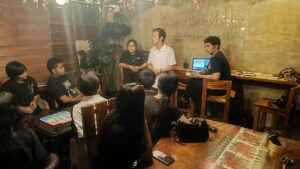
The gathering featured voices from the City Health Office of Muntinlupa City: Hughrylle Valdevieso, Peer Educator and Case Manager, and Ronan Solera, Peer Educator. Their words carried both expertise and care by really instilling needed knowledge on the kids, unraveling myths about HIV and reproductive health while shedding light on the dangers of stigma. They spoke not just of statistics but of human lives, lives too often silenced by fear and futures too often cut short by misinformation.
Before an audience of 25 young adults, mostly boys, the discussions became more than just lectures; they became an eye opener. A sight to see beyond taboo, to embrace responsibility, and to recognize that knowledge is not silencing but protection. In choosing to listen, these young participants took a stand against the culture of silence, showing that a different future is possible, one where education is not withheld but embraced.
Through initiatives like “Mag-isip Bago Mag-Unzip,” HAPI envisions a generation no longer bound by stigma but strengthened by truth. It is a vision of a Philippines where every young person can make choices about their health without fear, where myths give way to facts, and where dignity and rights are upheld for all.
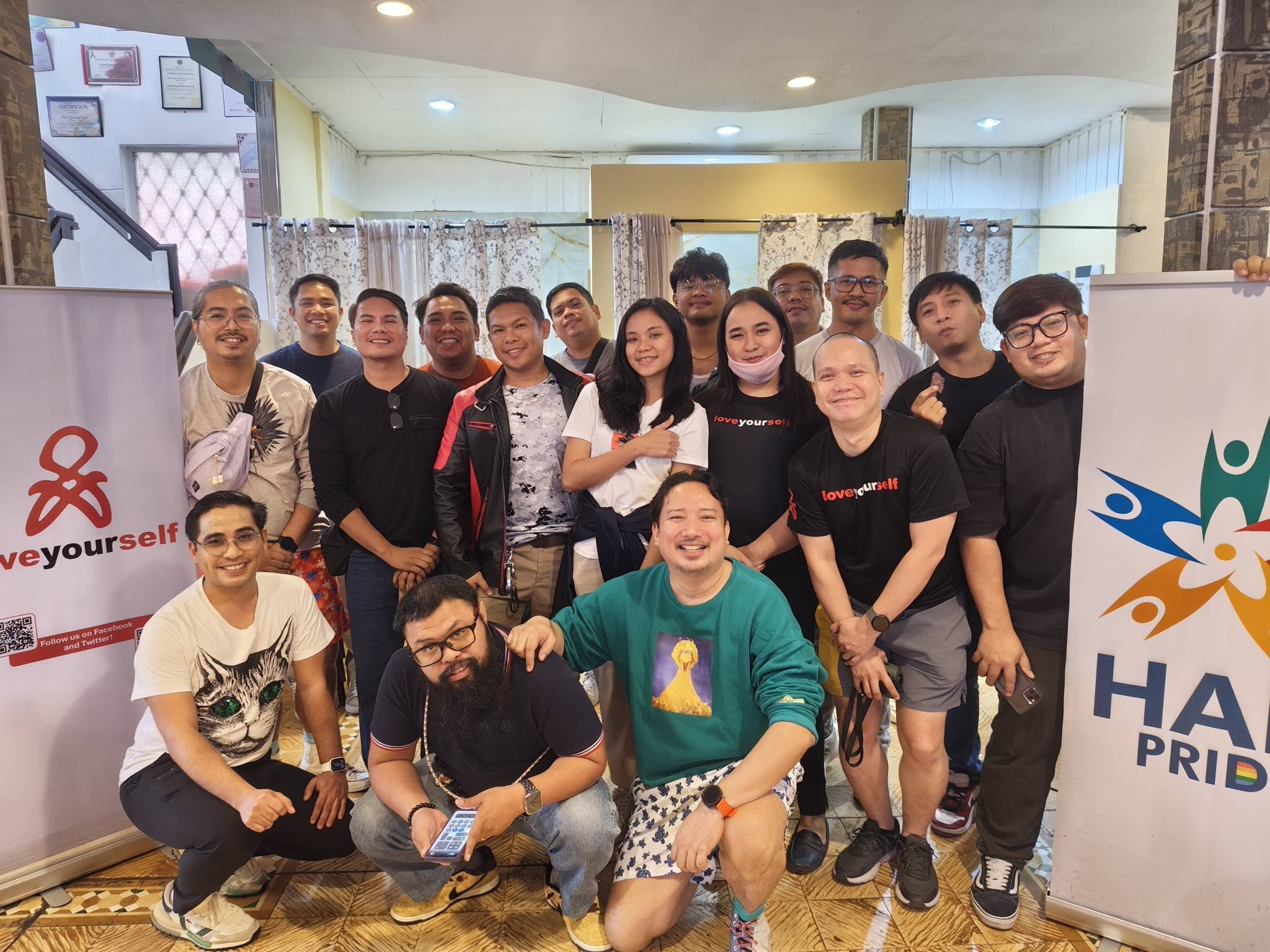
Finally, HAPI extends its deepest gratitude to Humanists International for making this event possible through the Café Humaniste grant, and to the speakers Hughrylle Valdevieso and Ronan Solera for generously sharing their knowledge and passion. Their voices remind us that change begins with courage, and their contributions serve as a powerful step toward a more informed, compassionate, and inclusive society.
SUPPORT OUR MISSION
Enjoyed this article?
Give once, or become a monthly supporter — every gift helps HAPI continue its work for humanism across the Philippines.

Powered by 
Friend of HAPI
Humanist Supporter
HAPI Humanist Advocate
Humanist Champion
Cancel anytime from your PayPal account.