The recent run of Alex Eala has captured the imagination of a nation more accustomed to roaring basketball arenas than hushed tennis courts. Tennis has long lived in the shadows in the Philippines and is often viewed as niche and inaccessible. Yet through grit, discipline, and a fearless presence on the international stage, she has become the face of Philippine tennis and a symbol of what is possible beyond the country’s traditional sporting culture.
Eala’s breakthrough victories in Grand Slam junior tournaments signaled that she was no ordinary prospect. As she transitioned into the professional ranks and began making deeper runs in high-level tournaments, the global tennis community started paying attention. Back home, Filipinos who had never watched a full tennis match suddenly learned about ranking points and tie-breaks. Social media buzzed with match clips and patriotic messages, and her name began appearing alongside the country’s most celebrated athletes.
As her profile grew, so did the pride of an entire nation. Filipinos began waking up at dawn or staying up past midnight just to stream her matches live. Each break of serve was celebrated like a championship-winning shot. Tennis, once a relatively niche Pinoy pastime, became communal and electric. Tennis clubs reported renewed interest, and grassroots programs found fresh inspiration in the idea that a Filipina could compete with the world’s best.
Filipinos are not built for quiet admiration. In our daily life, love is loud and visible.
Wherever she plays, may it be in Asia, Europe, or North America, there is almost always a pocket of Philippine flags waving in the stands. Overseas Filipino workers, immigrants, and traveling supporters show up in numbers, chanting her name between points. Their cheers echo across arenas more accustomed to polite applause. It is a striking sight: a vibrant burst of color and sound in a sport defined by restraint and poise. In those moments, Eala is not just playing for herself; she is playing with the energy of millions behind her.
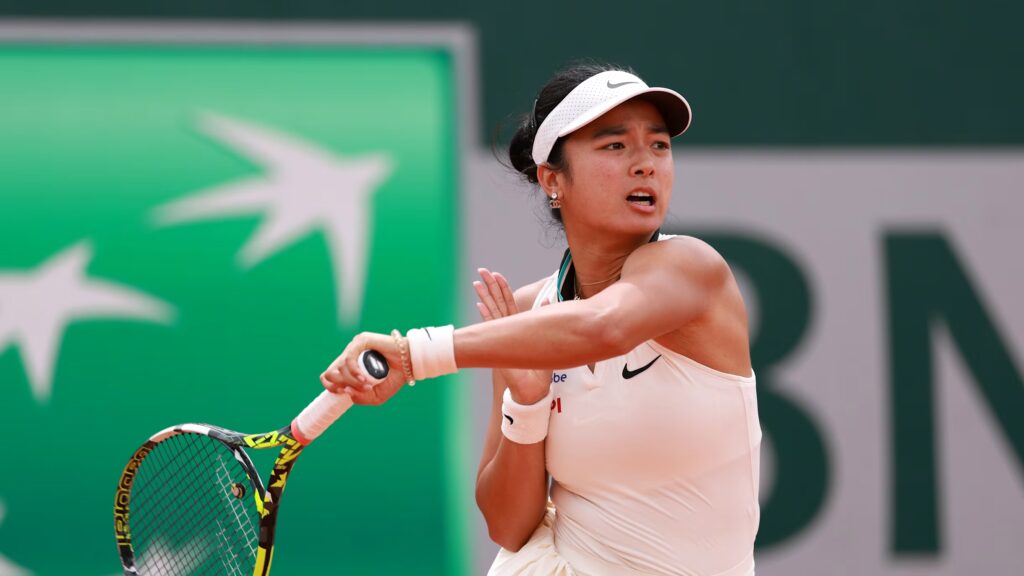
This passionate support, however, has not come without controversy. Tennis is traditionally played in near silence, where the sharp pop of the ball and brief clapping between points define the atmosphere. The sudden presence of loud, rhythmic chants and exuberant celebrations from Filipino fans has sparked debate among purists who believe the sport should remain serene. But Filipinos are not built for quiet admiration. In our daily life, love is loud and visible. We celebrate birthdays with karaoke that spills into the streets. We send off relatives at airports with entire families in tow. We cheer at school programs as if they were world championships. Even in simple gatherings, laughter carries far beyond the walls of our homes. Our way of loving whether family, friends, or country is expressive, communal, and unapologetic.
Alex Eala’s rise has revealed more than a new tennis star; it has revealed the Filipino spirit in full color on a global stage. If her matches have challenged the traditional hush of tennis arenas, they have also reminded the world that passion can look different across cultures. There is no shame in taking up space, in waving flags high, in cheering from the depths of your chest. We should never be embarrassed about showing love in the way we know how, loud, proud, and together.
SUPPORT OUR MISSION
Enjoyed this article?
Give once, or become a monthly supporter — every gift helps HAPI continue its work for humanism across the Philippines.

Powered by 
Friend of HAPI
Humanist Supporter
HAPI Humanist Advocate
Humanist Champion
Cancel anytime from your PayPal account.