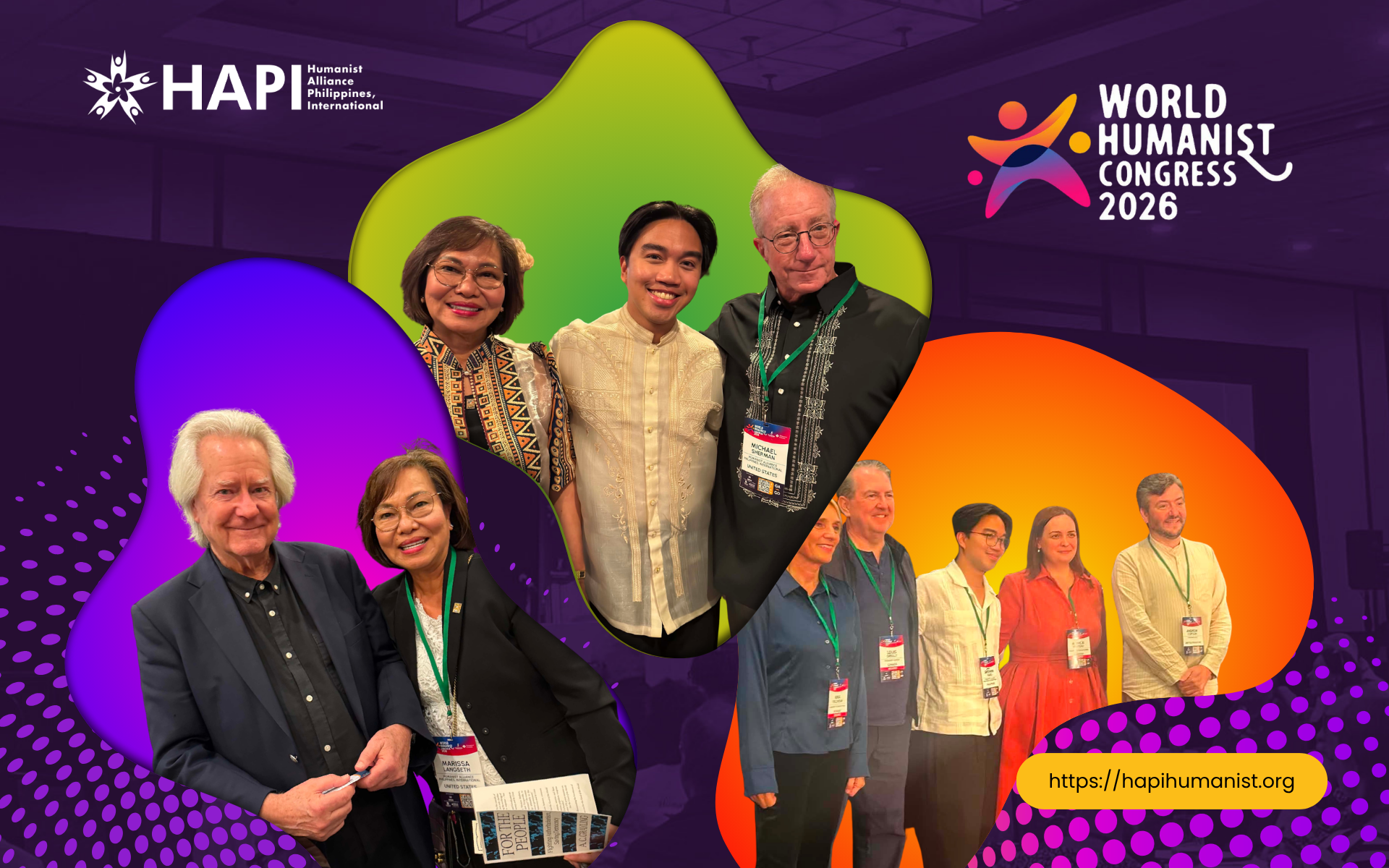
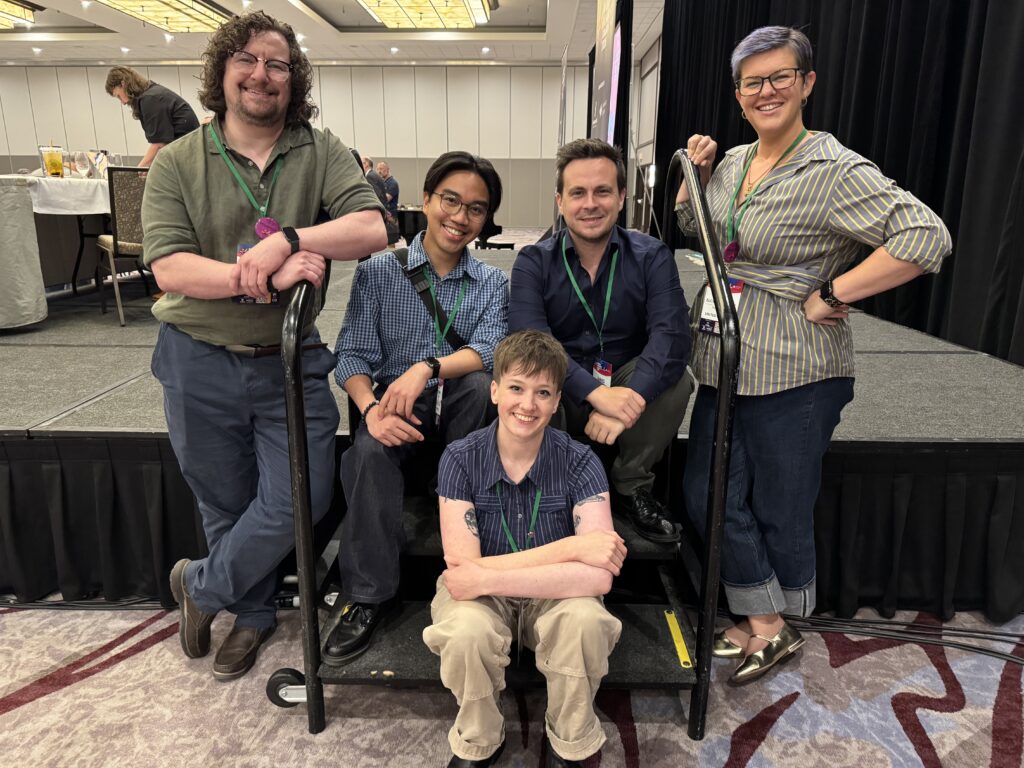
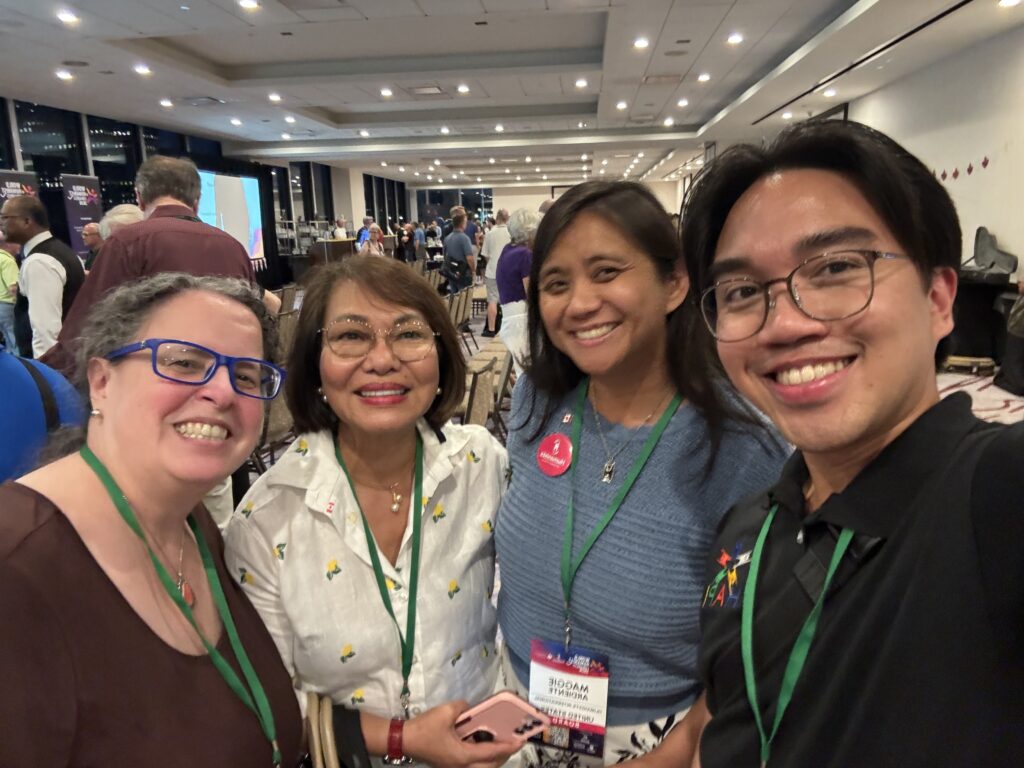
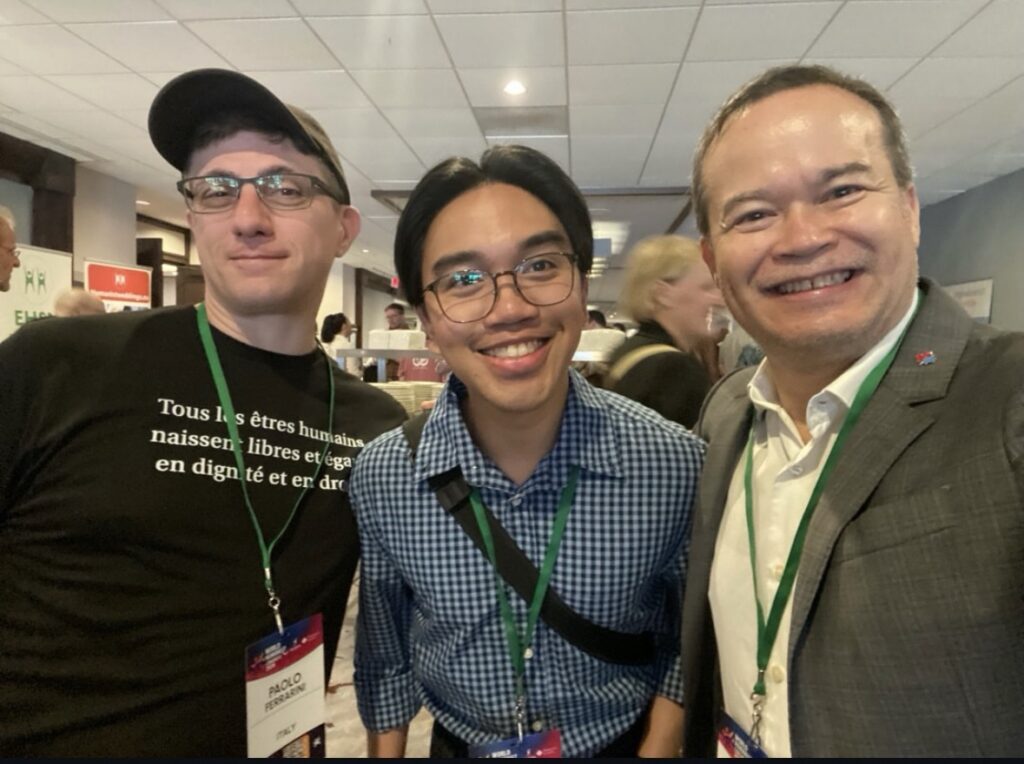
Going into the World Humanist Congress in Ottawa, I felt a strange mix of nerves and excitement. I have volunteered at HAPI for seven years at this point, and have mingled with my fair share of humanists. But this was a different beast: the Congress brought together activists from over 40 countries, each of them bringing unique perspectives and the possibility of collaboration.
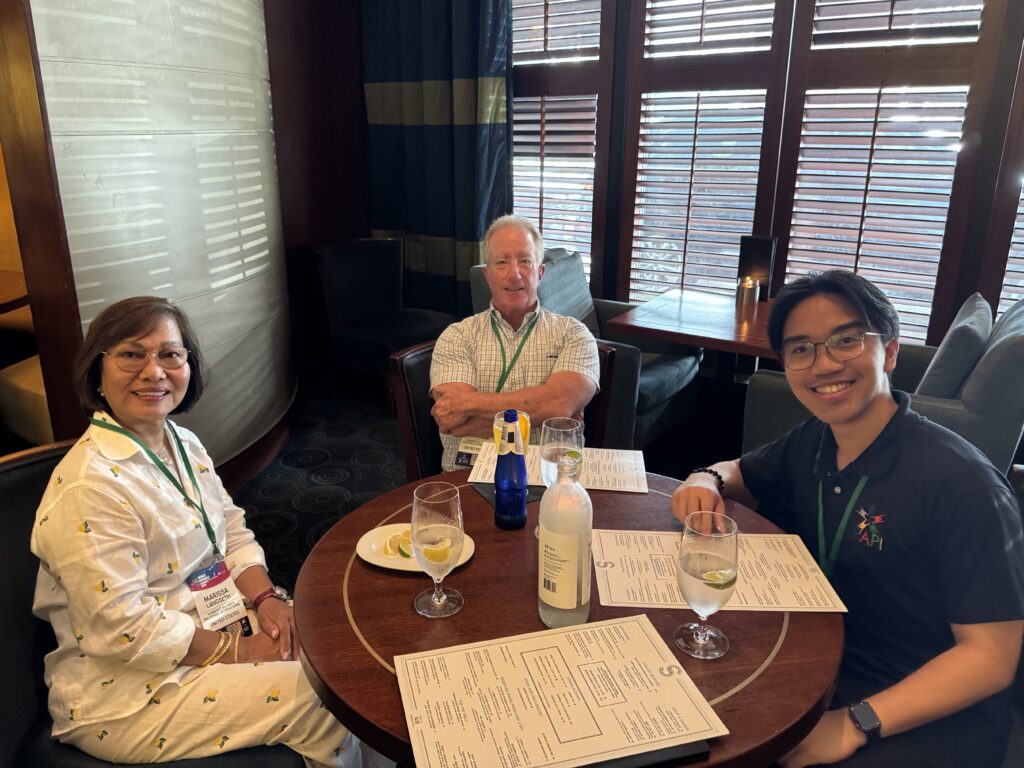
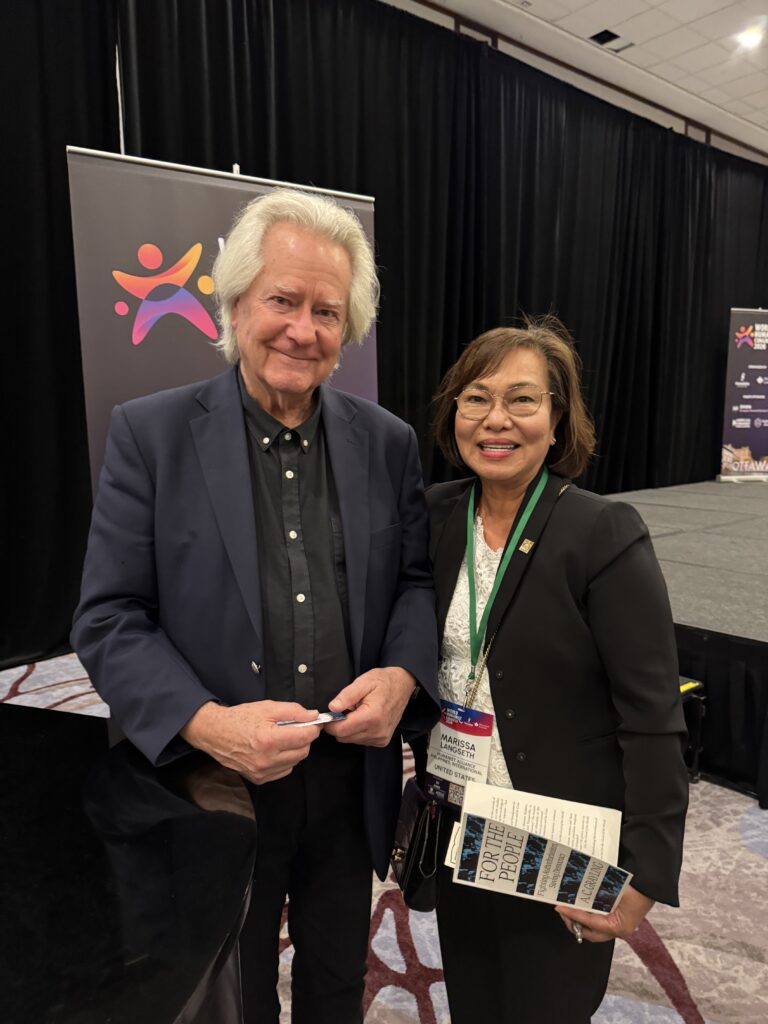
On top of that, I also came to represent HAPI with our founder, Marissa Langseth, and our chairman, Michael Sherman. It was the first time I got to meet Mike, and the second time I got to meet Ms M; they could not have been warmer and more parental towards me. In truth, I was lucky to have them as mentors, as I was asked to be a panelist in two panels during the Congress. Despite whatever perceived confidence I might have, I was not entirely sure I could pull off speaking in front of a room full of humanist leaders.
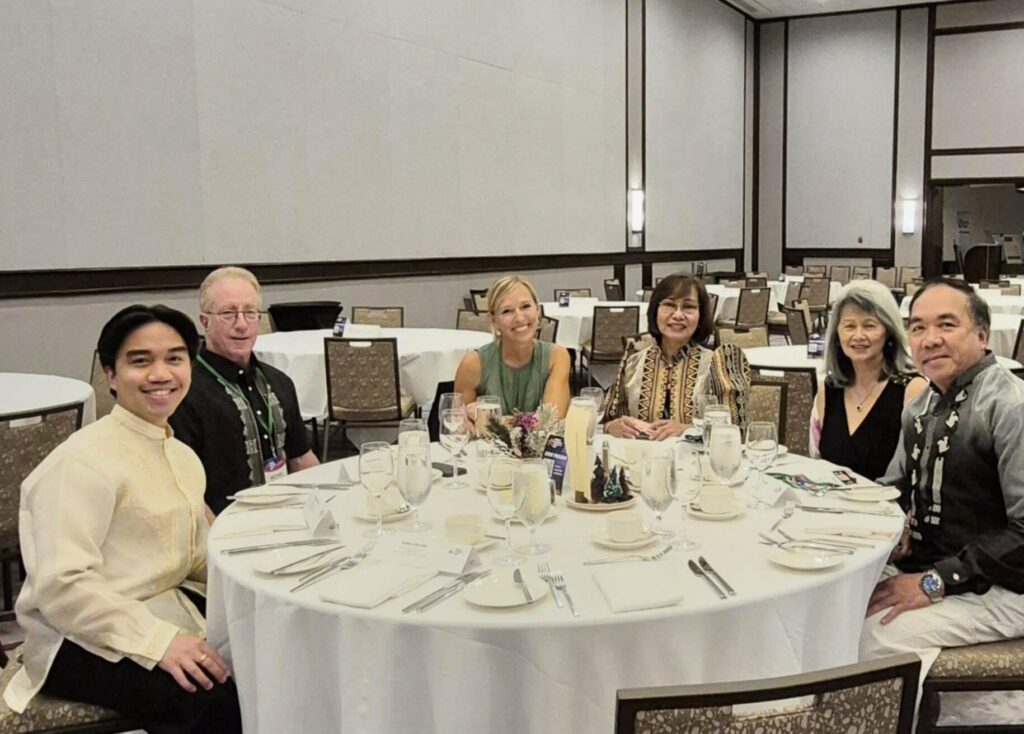
But I had to do it, of course, for HAPI – an organization leading the discourse on humanism in a country that desperately needs to take secular ideals more seriously. Plus having the chance to raise the Philippines’ most pressing issues – queer rights, the Divorce Bill, social media brainrot – to a global stage was one I could not pass up. Only time will tell how much these talks actually help move the needle, but in any case, it was my privilege to shine a light on the persistent bigotry afflicting our country.
I also had the pleasure of presenting HAPI’s animated videos to an audience of curious delegates, including several content creators. Having our humanist cartoons – spearheaded by our Art Director, Kelly Kim Sepida, and myself – featured alongside the world’s leading humanist podcasts was something I used to just dream about. Now, it’s entirely possible that other humanist organizations could follow our lead.
The Nuggets I Picked Up
The main benefit of hearing from a plethora of humanist speakers is that you get to soak in their collective wisdom. Throughout this Congress, I took note of some of their best nuggets. Here are five of them:
“There is no final win. There is just one battle, to be fought over and over and over again.”
— Arndís Anna K. Gunnarsdóttir, Humanists Iceland & former Pirate Party MP
This piece of insight during the panel discussion between humanist legislators from Iceland, Norway, the UK, the USA, and Canada struck a chord with me. It embodies the raw reality of the humanist cause – and coming from a group of politicians who openly acknowledged what it is like to lose, and to learn from losing, it was especially powerful.
The above countries, as one of the conference’s keynote speakers, Sarah Wilkins-LaFlamme noted, are at a more advanced stage of secularization than the Philippines. In a country like ours where the vast majority of citizens adhere to some form of religion, there are considerably more battles that need to be waged.
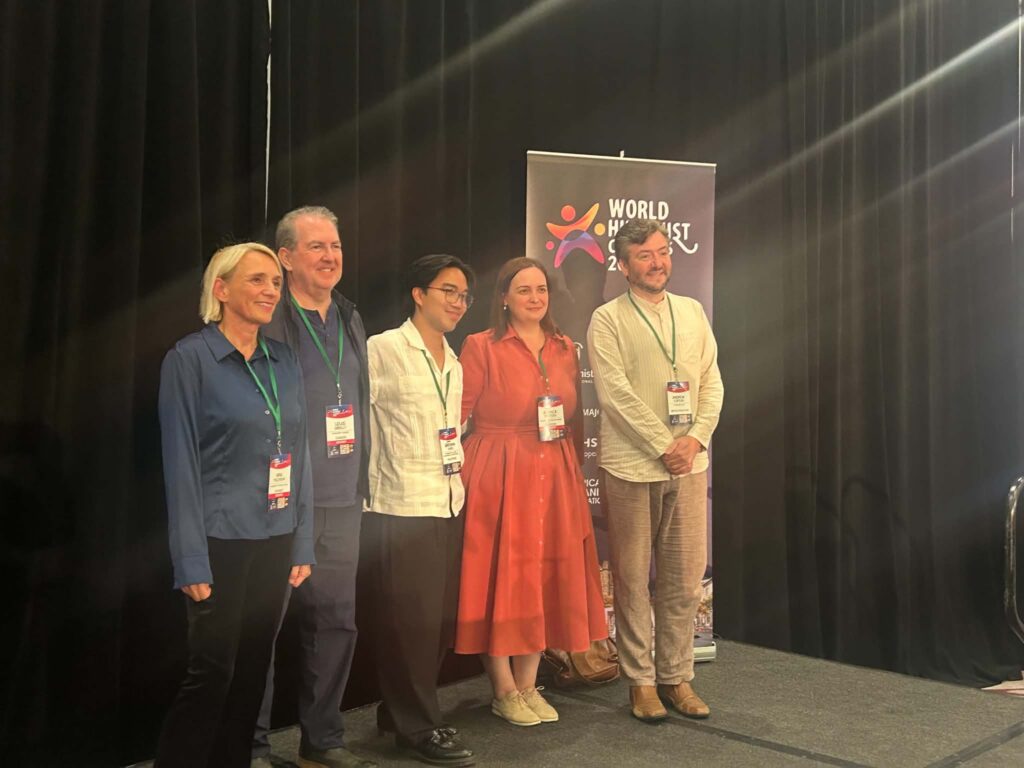
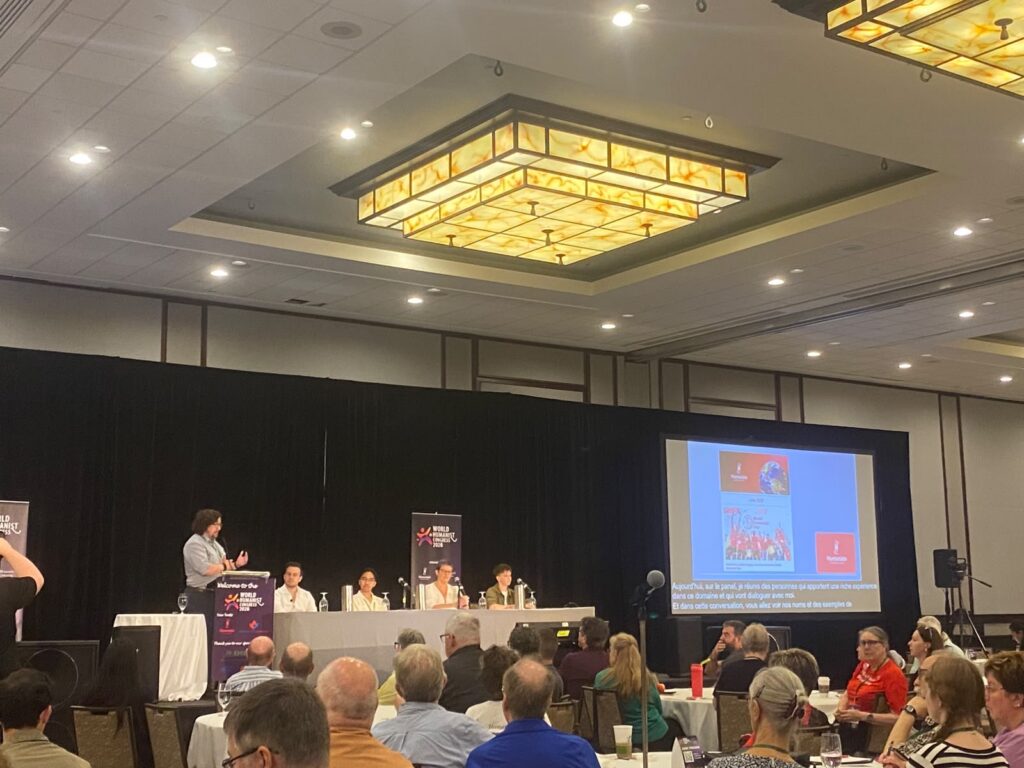
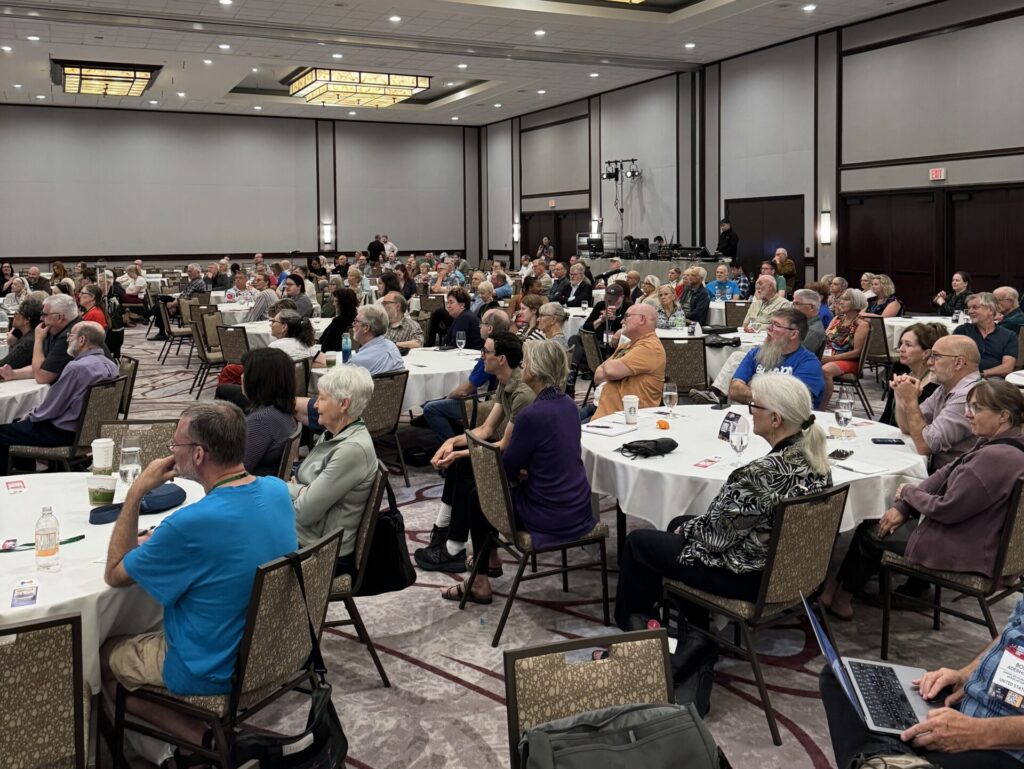
Beyond grit and tenacity, it takes alliances with the right politicians to bring humanist discourse to a larger stage. Speaking at the “What Next?” panel discussion, I managed to highlight one Philippine political leader in particular, Risa Hontiveros, whose advocacies practically align with ours. Should we succeed in partnering with progressive leaders like her, the impact on Filipino humanism could be enormous.
“[R]esistance today means reminding the democratic world of its values.”
— Francesca Klug, LSE Human Rights
Shamefully, neo-fascists are not only undoing the progress that humanism has made over the past several decades, they are succeeding. How do humanists resist against an enemy that is better-funded and more morally dubious? Throughout the conference, solutions were offered – everything from funding humanist influencers on TikTok to publicly debating homophobes in Ghana to tips on how to approach your local senator.
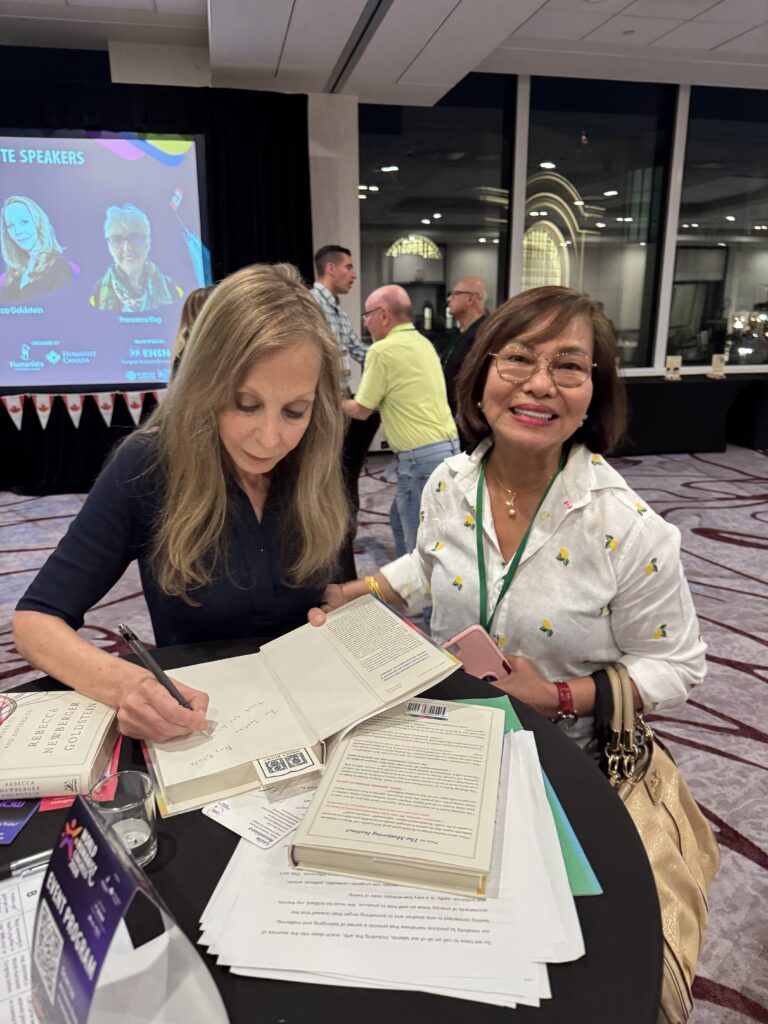
But everything circled back to humanism in the end. It is, as preliminary speaker Rebecca Goldstein said, the Anchor, the only force able to resist the entropic chaos that would otherwise engulf us. It was a sentiment that echoed throughout the Congress’ other panels and keynote speeches as well:
“The way out of this mess is through humanism.”
— Fish Stark, American Humanist Association
“Humanism contributes to the continuous story of humanity.”
— Evan Clark, Atheists United
“Begin with empathy.”
— A. C. Grayling CBE
…because as it turns out, what brought all the delegates together in Ottawa was the very thing that drew them to humanism in the first place: hope. Where we once hoped our humanism could change how people think and move, we now hope it can pull them back from the claws of authoritarianism. Whether in the Philippines or beyond, that belief is worth holding onto.
SUPPORT OUR MISSION
Enjoyed this article?
Give once, or become a monthly supporter — every gift helps HAPI continue its work for humanism across the Philippines.

Powered by 
Friend of HAPI
Humanist Supporter
HAPI Humanist Advocate
Humanist Champion
Cancel anytime from your PayPal account.