Lately, I’ve been seeing a troubling trend online called “factory reset,” where some people who once identified as part of the LGBTQIA+ community later return to identifying as heterosexual. Honestly, as someone who is part of the LGBTQIA+ community, I find this frustrating and hurtful. It gives the impression that being part of the community is just a phase, a trend, or an experiment, when for many of us, it is not a choice, but a core part of who we are.
When someone suddenly “resets,” it feels like our struggles are being trivialized.
This trend makes it harder for people like me to be taken seriously. I have fought for my identity, faced judgment, and had to navigate spaces that are often hostile to LGBTQIA+ individuals. Yet, when someone suddenly “resets,” it feels like our struggles are being trivialized. It sends the wrong message to society, that queer identities are temporary, that our experiences are somehow invalid, and that acceptance is optional. That is not only unfair, it is damaging.
Calling it a “factory reset” trivializes the emotional labor, the self-discovery, and even the trauma that many individuals in the community go through.
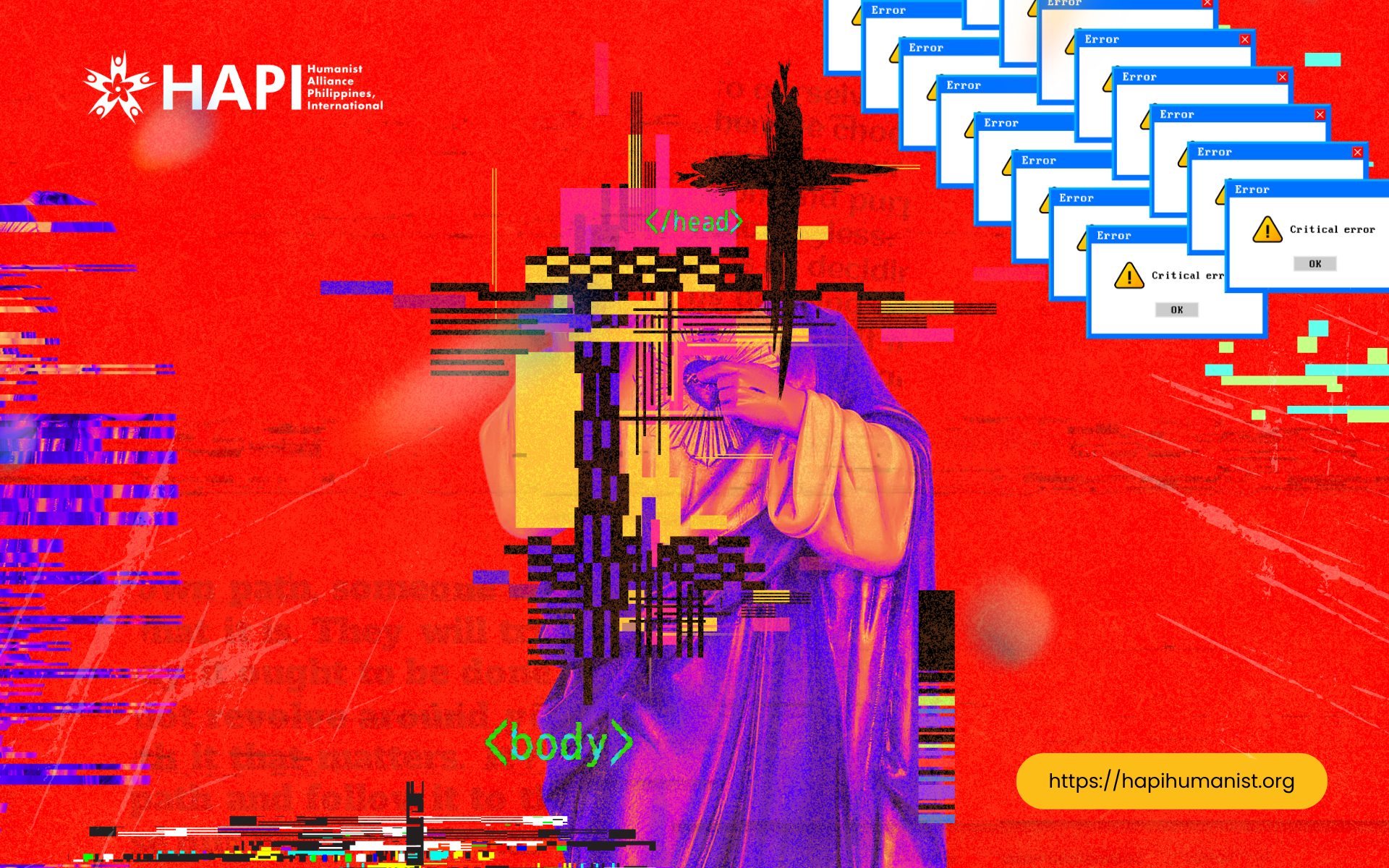
I also worry about the people who engage in this trend without understanding the impact. Calling it a “factory reset” trivializes the emotional labor, the self-discovery, and even the trauma that many individuals in the community go through. It reduces identity to something disposable, like an app that can be uninstalled and reinstalled at will. For those of us who have lived authentically through pain, struggle, and courage, it feels like a betrayal of the community and of what it means to claim your truth.
At the end of the day, the “factory reset” trend is more harmful than harmless. It undermines queer visibility, confuses younger individuals who are exploring their identities, and perpetuates the idea that being queer is not real. For me, identity is not a game or a trend, it is lived, fought for, and deeply personal. And seeing people treat it like a temporary experiment only makes it harder for the rest of us to be seen, believed, and respected.
SUPPORT OUR MISSION
Enjoyed this article?
Give once, or become a monthly supporter — every gift helps HAPI continue its work for humanism across the Philippines.

Powered by 
Friend of HAPI
Humanist Supporter
HAPI Humanist Advocate
Humanist Champion
Cancel anytime from your PayPal account.