Climate change does not impact everyone equally, and nowhere is this more evident than in the lives of women and girls around the world. While rising temperatures and extreme weather events affect entire communities, women, particularly those in low-income and rural areas, experience disproportionate burdens due to existing social inequalities and economic vulnerabilities. Global reports show that women and girls face greater risks from climate hazards, displacement, and resource scarcity compared with men, not because of innate differences but because of unequal social structures and responsibilities.\
One of the visible ways climate change hits women harder is through resource insecurity and labor burdens. In many parts of Africa, Asia, and Latin America, women are primarily responsible for securing water, food, and fuel for their families. As droughts, erratic rainfall, and heatwaves make these resources scarcer, women have to travel farther and work longer hours to meet basic needs, curtailing their opportunities for education, income generation, or rest. Studies estimate that women and girls spend billions of hours each day fetching water, underscoring the gendered labor toll of environmental degradation.
Understanding the gendered face of climate change is essential not only for justice but for effective climate policy.
Extreme weather events also expose women to heightened physical danger and health risks. According to United Nations data, women and children are 14 times more likely to die in climate-related disasters such as floods and cyclones compared to men. Moreover, climate change exacerbates health vulnerabilities unique to women: heat exposure is tied to adverse pregnancy outcomes like preterm birth and low birth weight, while food insecurity and poor sanitation increase risks of disease.
Beyond physical danger, socioeconomic consequences of climate change also disproportionately affect women. Female-headed households tend to lose more income following heat stress and floods, largely because women often have less access to land, credit, and agricultural inputs needed to cope and recover. Climate stress can push more women and girls into poverty and food insecurity, with projections suggesting tens of millions more women than men could face hunger and poverty by 2050 if current trends continue.
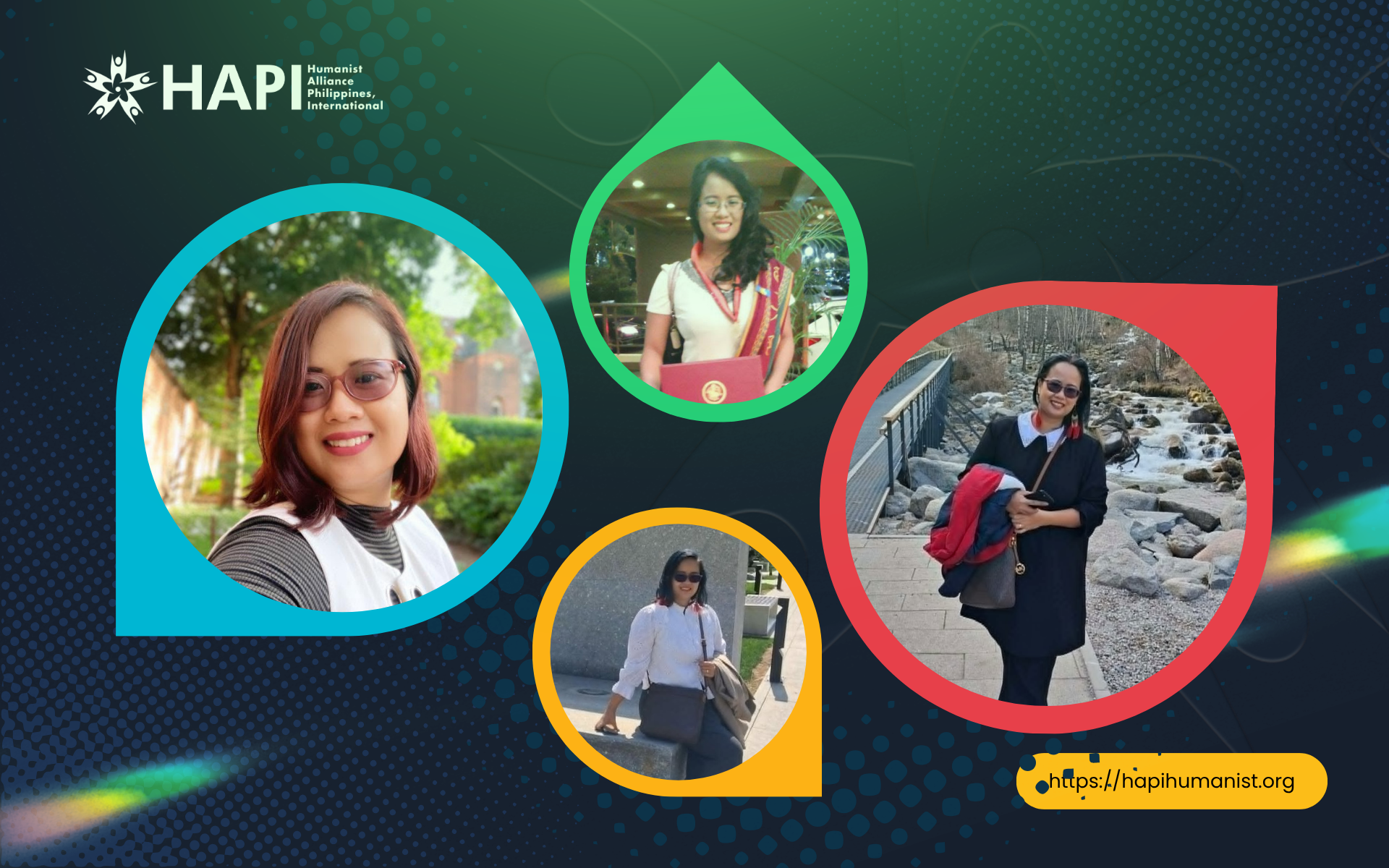
As a woman who lives in one of the heavily affected countries when it comes to climate related disasters, these studies and findings based on science are beyond scary; it feels like we’re running out of time. Understanding the gendered face of climate change is essential not only for justice but for effective climate policy. Recognizing how women are on the frontlines of both vulnerability and adaptation helps ensure that climate responses protect the most affected and harness women’s insights and leadership. Women are pivotal actors in building resilience, but only if their voices are heard in climate decision-making.
SUPPORT OUR MISSION
Enjoyed this article?
Give once, or become a monthly supporter — every gift helps HAPI continue its work for humanism across the Philippines.

Powered by 
Friend of HAPI
Humanist Supporter
HAPI Humanist Advocate
Humanist Champion
Cancel anytime from your PayPal account.