“Humanism is the belief that we can live good lives without religious or superstitious beliefs.”
– British Humanist Association
At a family gathering a few months after the World Health Organization officially declared the end of the COVID-19 pandemic, I sat at a table with relatives and friends who were heaping praises on God for ending the unprecedented global health emergency. Here, I thought, was an opportunity for a healthy exchange of ideas. Mustering all my tactfulness, I took a deep breath and chimed in.

In my opinion, I calmly explained, what really got us through the pandemic were the scientists who developed effective and safe vaccines and antiviral treatments in record time and the front-line health workers who heroically cared for patients and implemented mass immunization. With deep certainty and a “seriously-you-didn’t-know-this?” look in their faces, they asserted that God of course worked through the people in the pharmaceutical and healthcare sectors to save humanity from the novel coronavirus.
The barrage of unverifiable dogmatic beliefs and ad hoc assumptions proved too much and I lost it. In the heat of the moment, I shot back, this time a tad higher decibel-wise and with a bit of snark, “How could you possibly know this divine plan? Did God personally tell you about it?”
Awkward silence ensued, the seething hostility almost palpable. Most of the people at the table glared at me; a few shifted their gaze to the ground. If only I could turn back time, I remember thinking. After what seemed like an eternity of embarrassing dead air, someone mercifully changed the topic and the conversation moved on to more conventional, culturally-conforming subjects.
I’ve realized that there is a more productive way of interacting with theists.
In a predominantly Christian country, conversations about God and religion are commonplace. As I learned the hard way, even the faintest indication of pushing back against unbridled declarations of faith can strain relationships and make you look like an a-hole. Since that unfortunate incident, I’ve realized that there is a more productive way of interacting with theists.
As long as it’s done constructively and in the proper venue, I believe that calling out religious beliefs that impede human development is necessary to address social ills and help human beings flourish. More importantly, we must find common ground and focus on advancing shared human values like kindness, ethical living, social justice, equality, and environmental responsibility, among others. Humanist groups around the world are already doing this vital task.
Humanists in the public arena
Humanists International holds Special Consultative Status at the United Nations, lobbying on resolutions, delivering statements, and meeting with state representatives. The global representative body of the humanist movement also participates in UNESCO conferences and civil society forums to help inform and influence recommendations on cultural rights and education policies.
Humanist groups contribute to European Union-level policy discussions, especially on freedom of thought, secularism, and human rights. In the United Kingdom, Norway, Netherlands, and Belgium, national humanist associations regularly advise governments on education, equality, and secular governance.
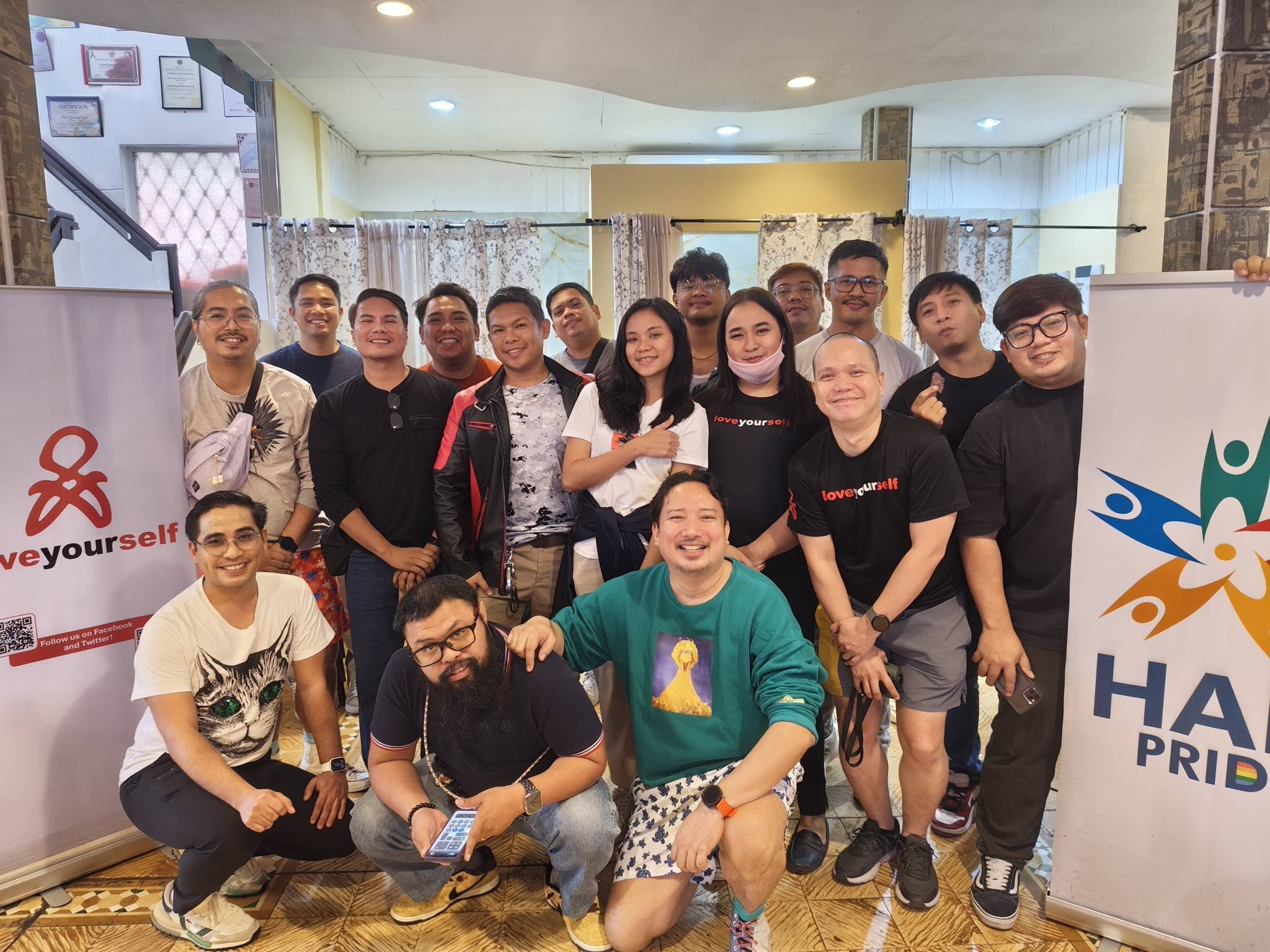
In the country, Humanist Alliance Philippines, International (HAPI), a member of Humanists International, presses people and institutions to take concrete action in preventing, addressing, and eliminating abuses and discrimination, ensuring accountability and the protection of human rights.
Proactive engagement with key stakeholders in society is consistent with the theme of this year’s World Humanist Congress, “Humanism as Resistance”, which calls on humanists to step up in the public square with courage and confidence to defend democratic institutions and human rights frameworks.
Guided by the light of reason and science, theists and humanists can and should work together for the common good. It’s the only way we can leave the world a better place than we found it.
SUPPORT OUR MISSION
Enjoyed this article?
Give once, or become a monthly supporter — every gift helps HAPI continue its work for humanism across the Philippines.

Powered by 
Friend of HAPI
Humanist Supporter
HAPI Humanist Advocate
Humanist Champion
Cancel anytime from your PayPal account.