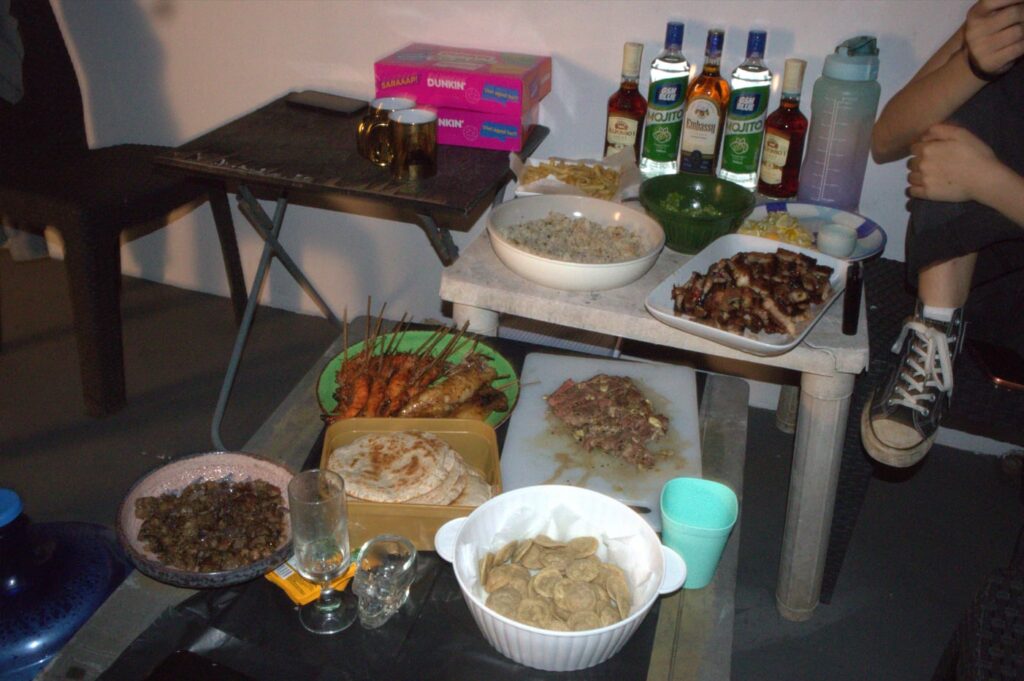
To every Filipino youth who has felt the sting of someone’s judgment while holding a cold beer or the silent condemnation of a relative for skipping Mass, there is a hidden history behind that shame. We are a nation taught to fear our own shadows, conditioned to view everyday habits as moral failings without ever asking who wrote the rules. The vices we hide today, such as drinking or the quiet embrace of atheism, were not always considered sins. They were once the sacred threads of a culture that loved itself before it was taught to feel disgusted by its own reflection.
The modern Philippine community exists within a heartbreaking paradox where our humanity is weighed against a rigid, religious moral scale that was never meant for us. We see this play out vividly in the lives of college students who stay up until the early hours of the morning drinking. This is not an act of malice but a desperate release from the crushing weight of academic pressure and the relentless stress of modern life. At the same time, many students are veering away from their traditional religious beliefs, guided by their own lived experiences and a growing sense of open-mindedness that refuses to accept dogma without question. Yet, when these young adults choose to enjoy temporarily or express their skepticism, the community sees a moral failure of a person rather than a person.
These acts are labeled as vices and deep stains on the soul, a judgment rooted in a colonial definition of sin so integrated into our lives that we mistake this inherited shame for our own conscience.
For many in this generation, a drink or questioning certain societal systems is a way to manage anxiety in a world that offers them little else.
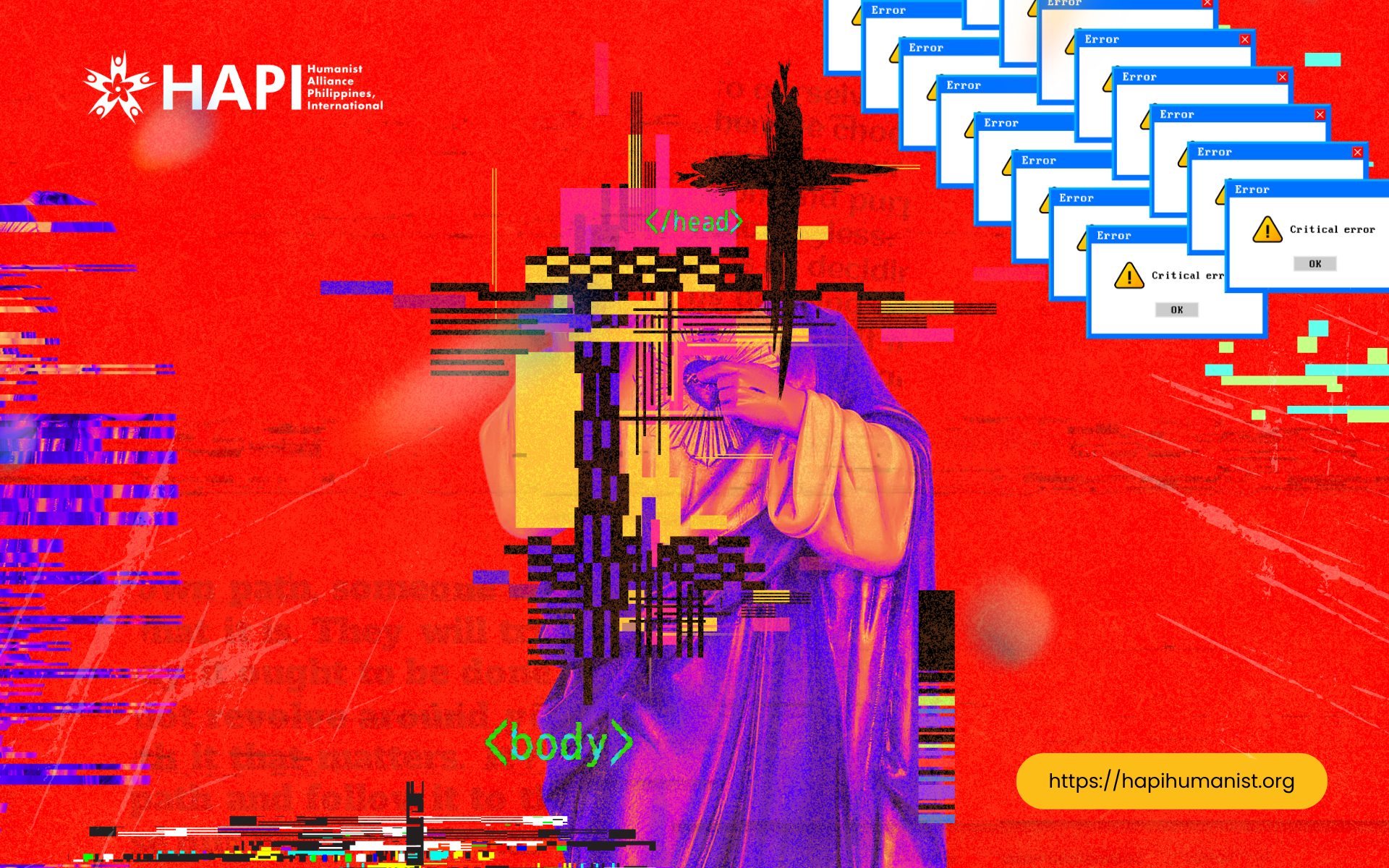
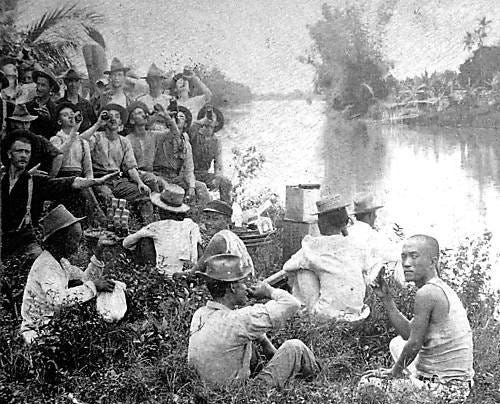
This modern stigma is a direct scar from a history of forced religion designed to break our communal spirit. Before the cross was used to measure our worth, the very acts we now condemn were the “glue” of our society. Our ancestors used tuba and basi in sacred rituals to seal alliances and shared tobacco as a meditative gesture of peace. Morality was not about obeying a distant, jealous deity but about “Kapwa,” the indigenous belief that our dignity is shared and inseparable. This way of life was systematically dismantled by colonial friars who rebranded joy as gluttony and social bonding as debauchery to make the populace easier to control. By turning our social connectedness into moral contaminants, they taught us to police each other through shame. This psychological conquest sadly persists to this day.
This judgment feels especially heavy today as these vices remain a prominent way for young people to navigate a world of exploration and immense pressure. For many in this generation, a drink or questioning certain societal systems is a way to manage anxiety in a world that offers them little else. Still, they are met with an ancient wall of religious expectation. Why is a student’s method of coping deemed immoral? Why is their academic fatigue and open-mindedness treated like a spiritual defect? By clinging to these expectations, we prioritize a colonial definition of sin over the actual well-being and mental health of our youth.
Today, this colonial ghost creates a split-level morality where we measure a young person’s worth through outward religious performance rather than the kindness in their heart. We brand the youth as immoral for their coping mechanisms, yet we remain silent in the face of systemic corruption or the crab mentality that tears our people apart while the youth we brand as immoral or broken risk themselves fighting for the right we all deserve. We judge the younger generation for habits that were once our ancestors’ way of saying we are one. Reclaiming our history is the first step in unlearning the shame that was never ours. We must finally realize that being human, with all our struggles and questions, was never a sin.
–
REFERENCES:
De, L. (2025, March 19). Understanding Filipino Drinking Culture. Prezi.com. https://prezi.com/p/bqecrngr-4ot/understanding-filipino-drinking-culture/
Khiri Travel. (2024, September 6). History and Culture of the Philippines: A Journey Through Time. Khiri Travel. https://khiri.com/history-and-culture-of-the-philippines-a-journey-through-time/
Piscos, J., L., (2023). Demonization and sanctification of indigenous feminine roles in the 16th century Philippines. Bedan Research Journal, 8(1), 59–80. https://doi.org/10.58870/berj.v8i1.47
Piscos, J. L. (2025, February 13). Drinking Among Early Visayans (Pintados) in Achieving Positive Peace” na unang inilatha sa.
Photo retrieved from:
Pascual, J. (2019). From arack to alak: How our wines and spirits figured in key moments of our history | ABS-CBN Lifestyle. ABS-CBN.
SUPPORT OUR MISSION
Enjoyed this article?
Give once, or become a monthly supporter — every gift helps HAPI continue its work for humanism across the Philippines.

Powered by 
Friend of HAPI
Humanist Supporter
HAPI Humanist Advocate
Humanist Champion
Cancel anytime from your PayPal account.