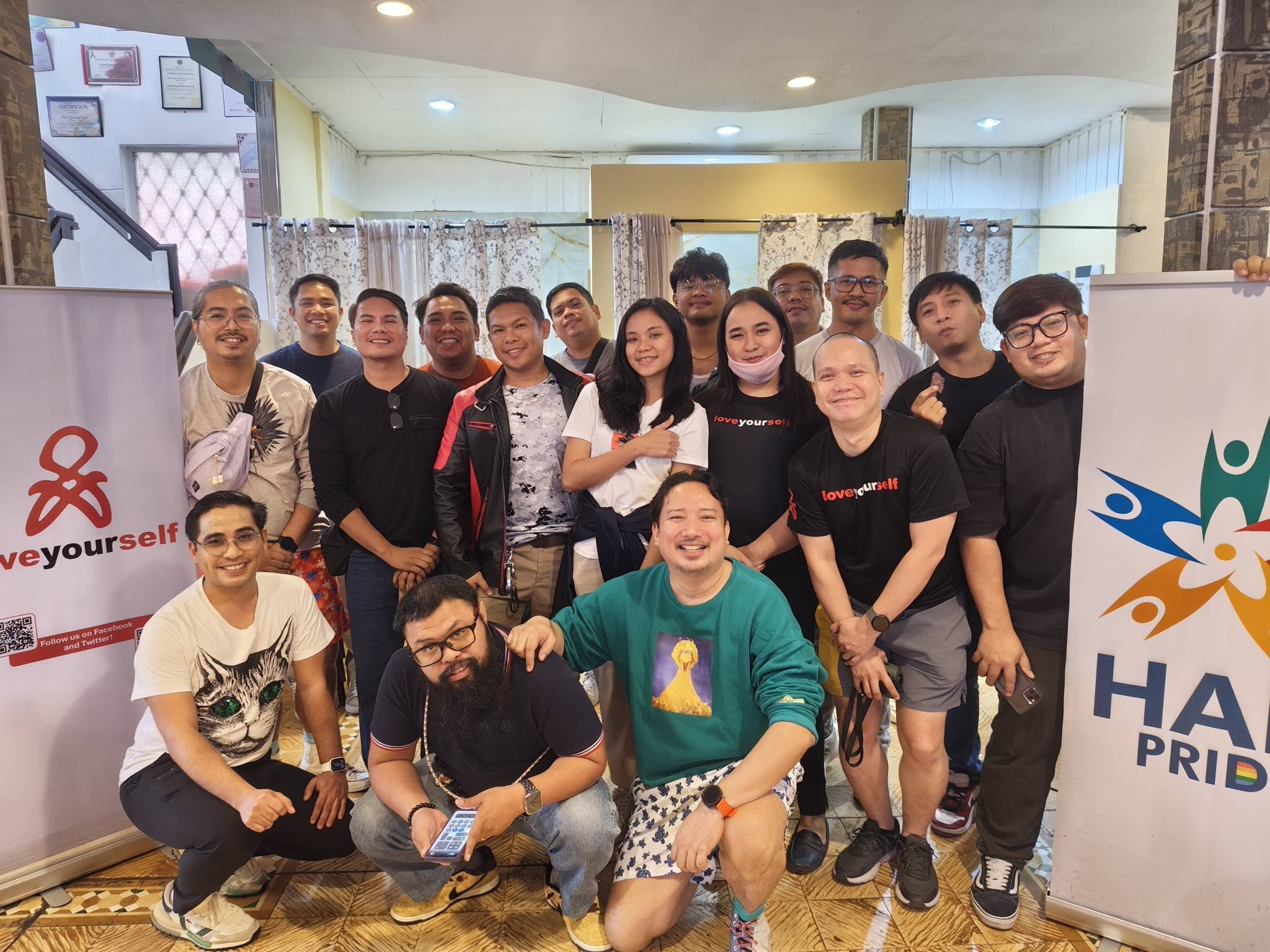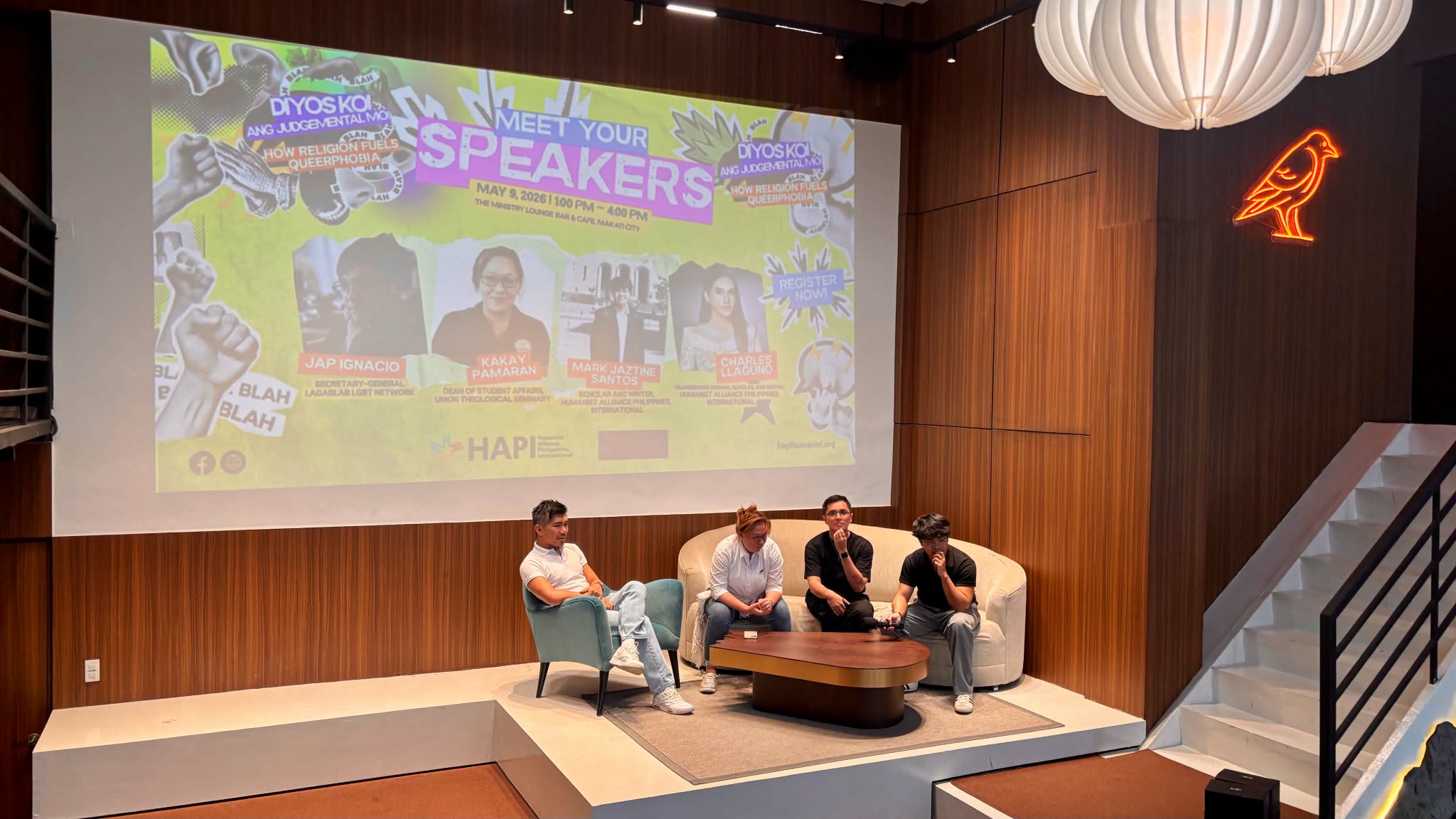
MAKATI CITY, Philippines: In a warm and welcoming gathering ahead of the International Day Against Homophobia, Transphobia, and Biphobia (IDAHOTB), Humanist Alliance Philippines International (HAPI) brought together advocates, scholars, and community members for a meaningful afternoon of dialogue and shared learning.
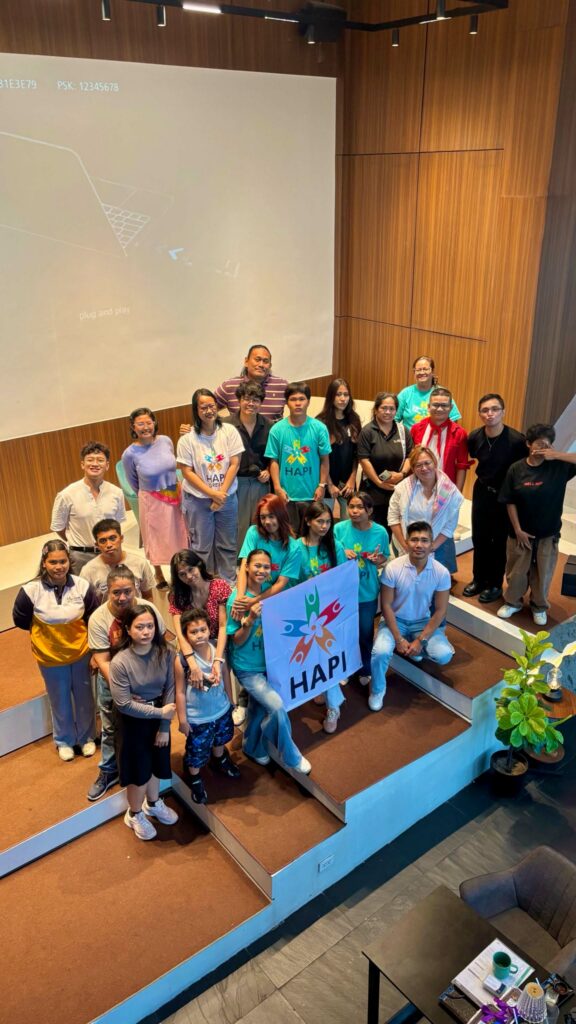
Held last May 9, 2026, at the Ministry Lounge Bar & Café in Makati City, the Café Humaniste session titled “Diyos Ko, Ang Judgmental Mo! How Religion Fuels Queerphobia” created a space where participants could openly reflect on how beliefs, traditions, and personal experiences shape attitudes toward LGBTQIA+ individuals. Rather than focusing on division, the event centered on understanding, empathy, and the possibility of more inclusive perspectives. As part of HAPI’s mission for humanism and the right to education, the discussion encouraged honest conversations about the religious roots of homophobia, the existential ethics of homosexuality, and the long struggle for human rights from the lens of theology, history, and philosophy. With IDAHOTB approaching on May 17, the gathering served as a timely reminder of the importance of kindness and awareness in addressing discrimination and prejudice.
The session was enriched by the presence of four diverse speakers, each bringing a distinct lens shaped by lived experience, academic reflection, theological insight, and community advocacy. Together, their perspectives created a balanced and engaging dialogue that allowed participants to better understand the complexities of the topic from multiple angles, making the discussion more grounded, relatable, and meaningful for everyone involved.
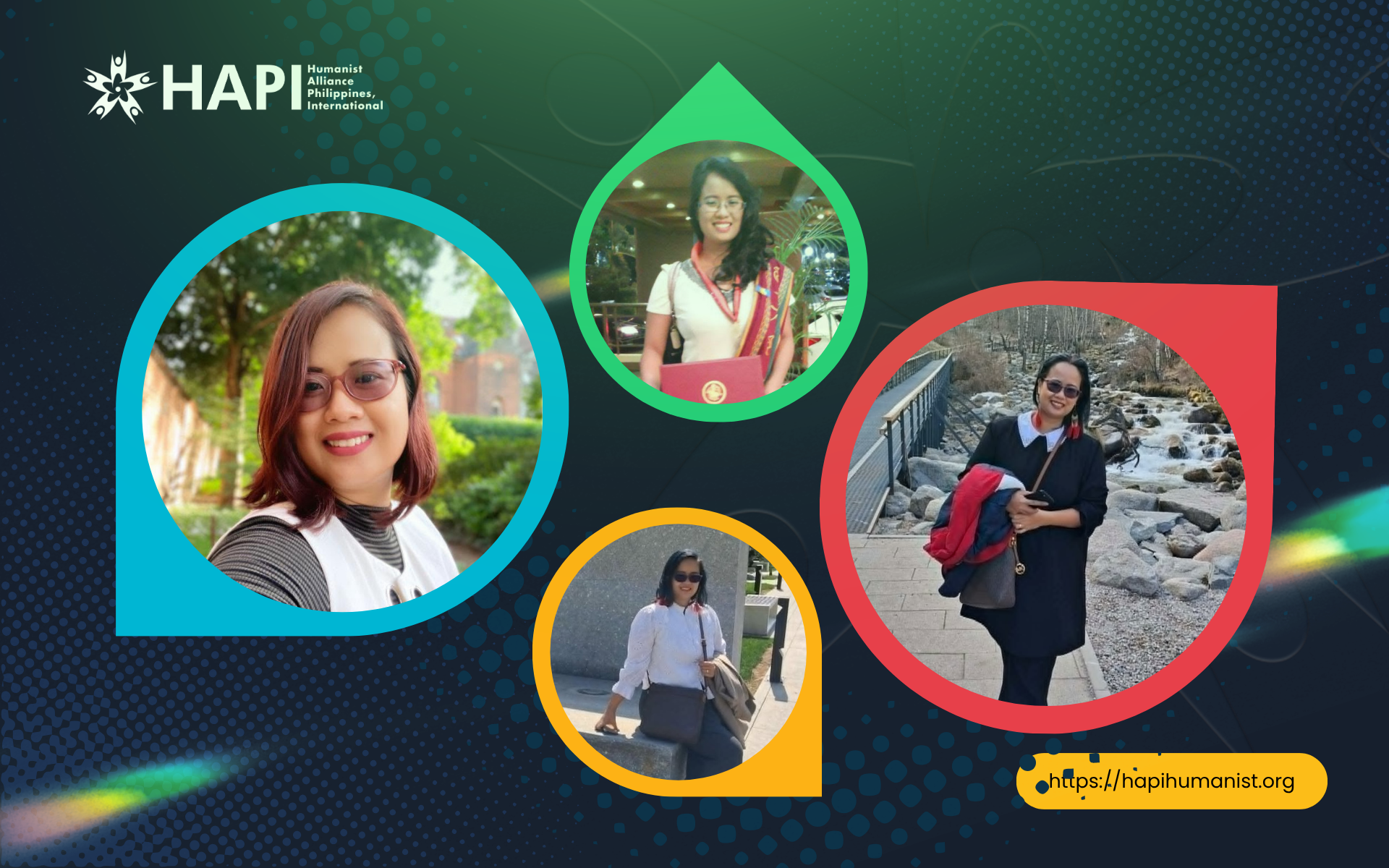
The four speakers each contributed perspectives and past real life experiences that helped participants better understand the topic from different angles. Charles Llaguno (also known as Kendoll), a HAPI Scholar, shared her lived experiences as a transgender woman, helping the audience connect more deeply with the realities of exclusion and the importance of visibility and acceptance. Another Isko, Mark Jaztine Santos guided participants through thoughtful reflections on how religious and philosophical ideas about sexuality have developed over time, encouraging a more critical yet open-minded approach to long-held assumptions. From a theological and academic standpoint, Kakay Pamaran shared how faith traditions can also be interpreted in ways that affirm dignity and inclusion, offering participants a sense of hope that religion and acceptance can coexist. Lastly, Jap Ignacio brought in the perspective of long-standing community advocacy, reminding everyone that progress becomes more meaningful when people work together toward shared understanding and collective care.
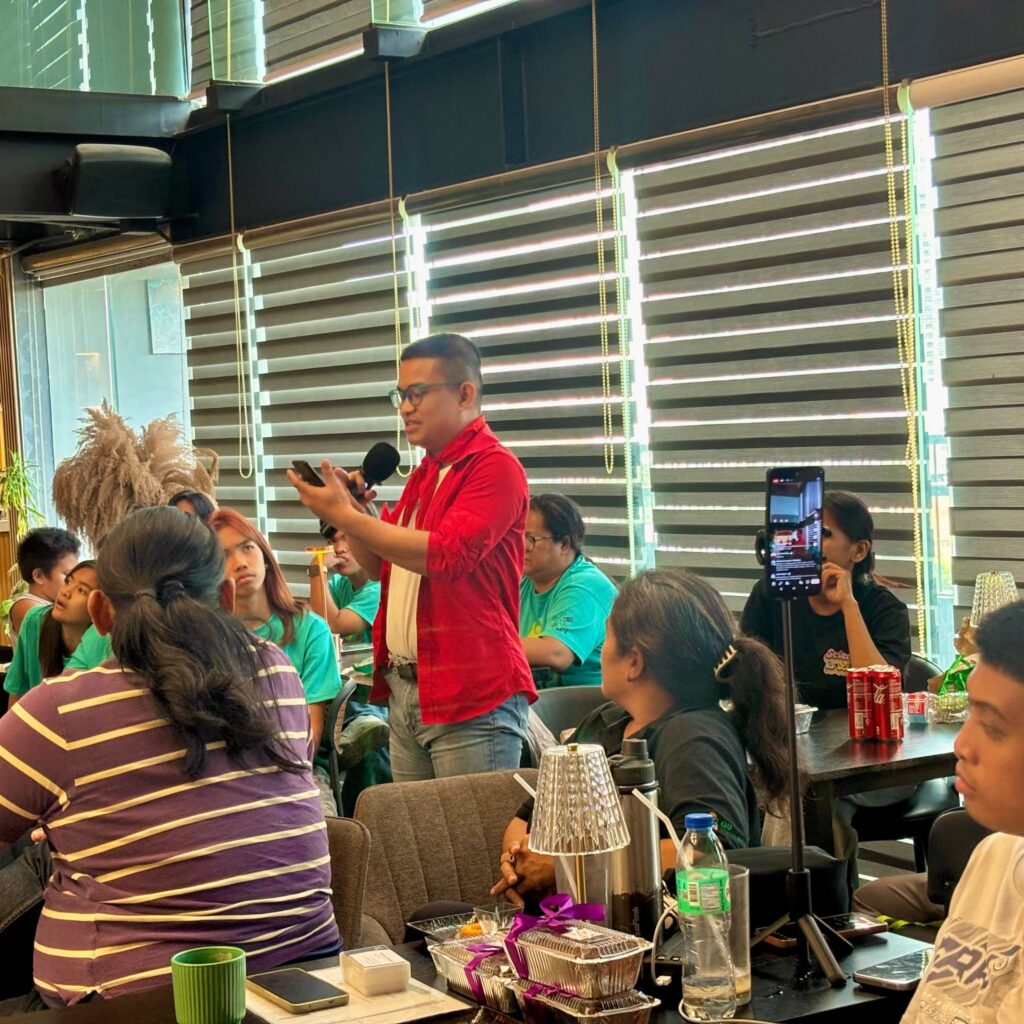
Throughout the afternoon, participants engaged in open conversations, asking questions, sharing experiences, and listening to one another in a respectful and supportive environment. Many left with a clearer understanding of how religion, culture, and social norms intersect, and how these can either harm or help shape more inclusive communities.
Beyond the discussion, the event fostered a strong sense of connection among attendees. The exchanges, reflections, and shared stories helped participants take away not only knowledge but also a deeper sense of empathy and awareness. As IDAHOTB drew near, the gathering served as a gentle reminder that change often begins in conversations like these. Through continued dialogue and understanding, participants were encouraged to carry forward the insights gained, helping strengthen ongoing efforts toward a society where respect, dignity, and acceptance are extended to everyone.
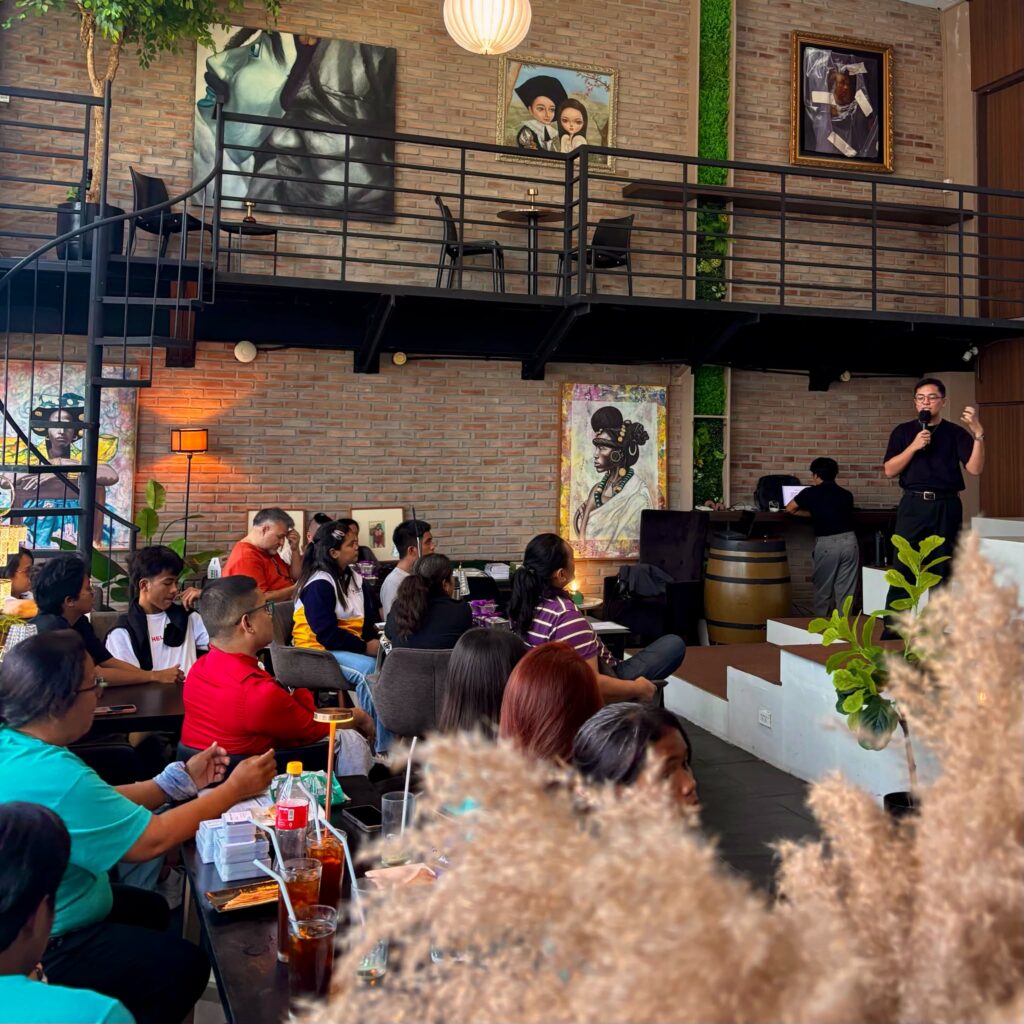
The organizers extend their heartfelt gratitude to HAPI CEO, Janice Buenaventura for generously sponsoring and supporting the Café Humaniste session, as well as to Rhadem Musawah and the rest of the Ministry team. Her contribution made it possible for the event to come to life as a meaningful and accessible space for open dialogue, learning, and reflection. Through her support, the gathering was able to serve its purpose of fostering understanding, empathy, and respectful conversations on important social issues, in line with HAPI’s continued commitment to humanism, education, and human rights advocacy.
Sincere appreciation is also given to the organizers and volunteers who worked behind the scenes to ensure the smooth flow of the event and to create a warm and welcoming environment for all participants. Their dedication helped make the discussion not only informative but also engaging and inclusive for everyone present.
SUPPORT OUR MISSION
Enjoyed this article?
Give once, or become a monthly supporter — every gift helps HAPI continue its work for humanism across the Philippines.

Powered by 
Friend of HAPI
Humanist Supporter
HAPI Humanist Advocate
Humanist Champion
Cancel anytime from your PayPal account.